মানুষের মতো দেখতে রোবটগুলি গবেষণা ল্যাব থেকে কারখানা, হাসপাতাল এবং পরিষেবা পরিবেশে প্রবেশ করার সাথে সাথে একটি মূল প্রশ্ন উত্থাপিত হয়:কীভাবে এই মেশিনগুলিকে এত নির্ভুলভাবে নড়াচড়া করতে, চিন্তা করতে এবং যোগাযোগ করতে সক্ষম করে তোলে?
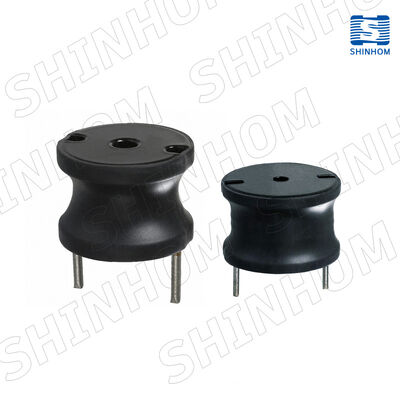
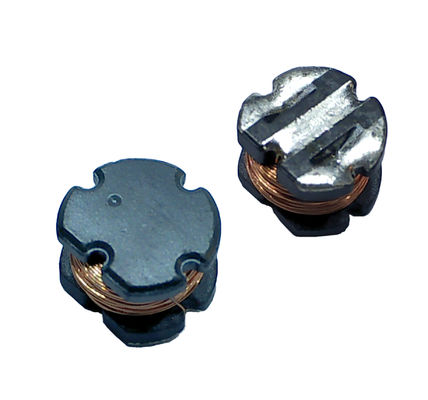
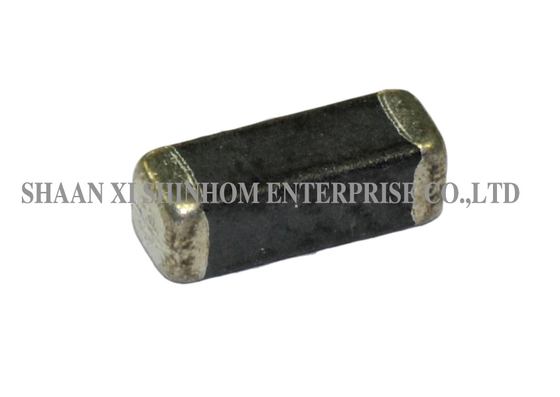
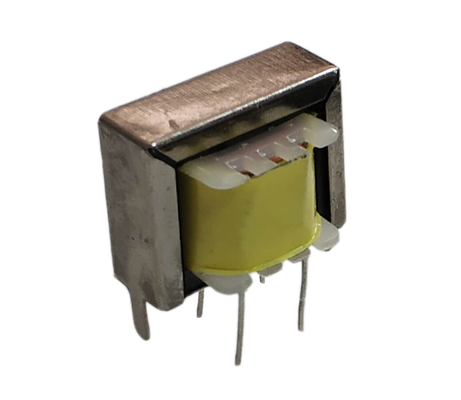
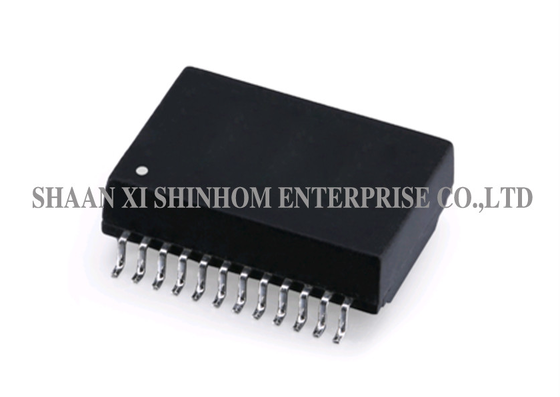
প্রতিটি মানুষের মতো রোবটের পিছনে একটি জটিল নেটওয়ার্ক রয়েছেপাওয়ার ম্যানেজমেন্ট সিস্টেম, মোটর ড্রাইভ, ইএমআই কন্ট্রোল সার্কিট এবং উচ্চ-দক্ষ ডিসি-ডিসি কনভার্টার— যার সবই উন্নত চৌম্বকীয় উপাদানগুলির উপর ব্যাপকভাবে নির্ভর করে।
উপাদান প্রস্তুতকারকদের জন্য যেমনশিনহোম, মানুষের মতো রোবোটিক্সের দ্রুত বিবর্তন পরবর্তী প্রজন্মের রোবোটিক পাওয়ার সিস্টেমগুলিকে সমর্থন করার জন্য একটি উল্লেখযোগ্য সুযোগ উপস্থাপন করে।
কেন মানুষের মতো রোবটগুলির উন্নত পাওয়ার ম্যাগনেটিক্সের প্রয়োজন
মানুষের মতো রোবটগুলি ঐতিহ্যবাহী শিল্প রোবটগুলির থেকে মৌলিকভাবে আলাদা। তাদের মানুষের মতো নড়াচড়ার জন্য প্রয়োজন:
-
একাধিক উচ্চ-টর্ক সার্ভো মোটর
-
রিয়েল-টাইম কন্ট্রোল সিস্টেম
-
ব্যাটারি-চালিত উচ্চ-দক্ষ অপারেশন
-
কমপ্যাক্ট অভ্যন্তরীণ বিন্যাস
-
কঠোর ইলেক্ট্রোম্যাগনেটিক সামঞ্জস্য (ইএমসি)
মানুষের মতো রোবটের প্রতিটি জয়েন্টে নিজস্ব মোটর ড্রাইভার এবং কন্ট্রোল বোর্ড থাকতে পারে। এটি নাটকীয়ভাবে চাহিদা বাড়ায়:
সংক্ষেপে, মানুষের মতো রোবটগুলি মূলত মোবাইল পাওয়ার ইলেকট্রনিক্স প্ল্যাটফর্ম।
পাওয়ার দক্ষতা: মানুষের মতো রোবোটিক্সে একটি গুরুত্বপূর্ণ চ্যালেঞ্জ
ব্যাটারি লাইফ মানুষের মতো রোবট বিকাশের অন্যতম বৃহত্তম প্রযুক্তিগত চ্যালেঞ্জ। দক্ষ শক্তি রূপান্তর সরাসরি প্রভাবিত করে:
-
অপারেশন সময়
-
তাপীয় কর্মক্ষমতা
-
সিস্টেম নির্ভরযোগ্যতা
-
সামগ্রিক রোবট ওজন
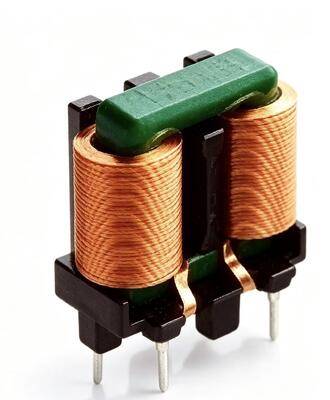
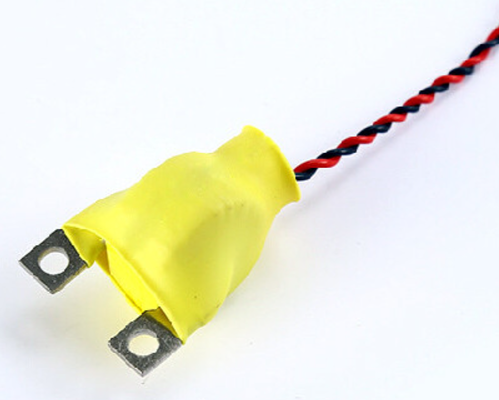
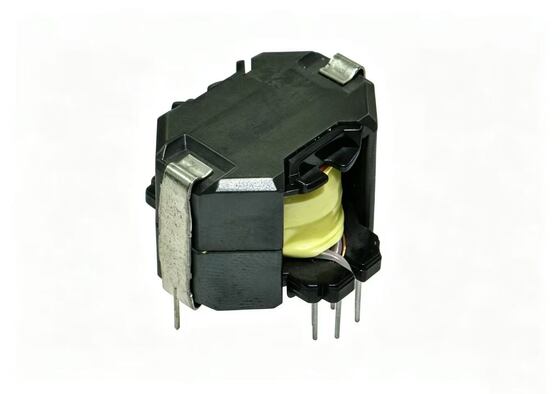
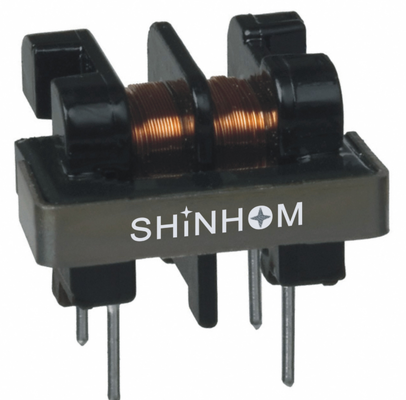
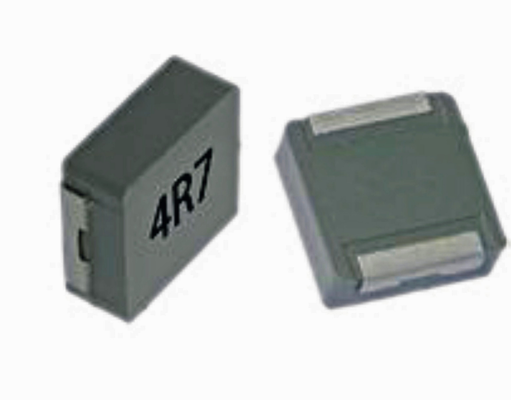
উচ্চ-কার্যকারিতা চৌম্বকীয় উপাদান যেমনফ্ল্যাট ওয়্যার ইন্ডাক্টর, উচ্চ-ফ্রিকোয়েন্সি ট্রান্সফর্মার এবং নির্ভুল ইএমআই ফিল্টারগুলি সুইচিং লস কমাতে এবং সামগ্রিক পাওয়ার ঘনত্ব উন্নত করতে সহায়তা করে।
ইন্ডাক্টরগুলিতে নিম্ন ডিসি রেজিস্ট্যান্স (ডিসিআর), অপ্টিমাইজড কোর উপকরণ এবং উন্নত তাপীয় অপচয় সবই বর্ধিত ব্যাটারি রানটাইমে অবদান রাখে — মানুষের মতো অ্যাপ্লিকেশনগুলিতে একটি গুরুত্বপূর্ণ সুবিধা।
জটিল রোবোটিক সিস্টেমে ইএমআই নিয়ন্ত্রণ
মানুষের মতো রোবটগুলি একীভূত করে:
এই সাবসিস্টেমগুলি ইলেক্ট্রোম্যাগনেটিক হস্তক্ষেপ তৈরি করে যা নিয়ন্ত্রণ নির্ভুলতা এবং যোগাযোগ স্থিতিশীলতাকে ব্যাহত করতে পারে।
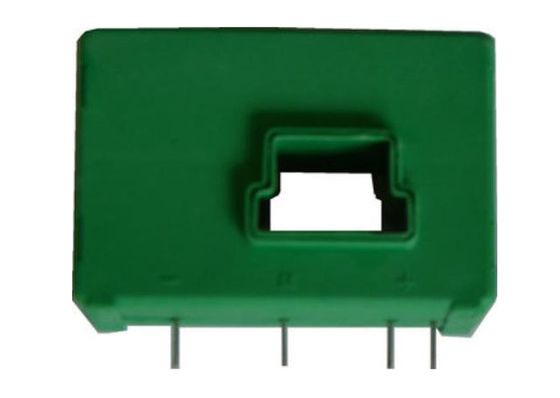
সঠিকভাবে ডিজাইন করাইএমআই ফিল্টার, ফেরাইট কোর এবং কমন-মোড চোকসিগন্যাল ইন্টিগ্রিটি এবং সিস্টেম কমপ্লায়েন্স বজায় রাখার জন্য অপরিহার্য।
সুতরাং, চৌম্বকীয় উপাদানগুলি নিশ্চিত করার জন্য একটি সরাসরি ভূমিকা পালন করে:
কমপ্যাক্ট ডিজাইন উচ্চ পাওয়ার ঘনত্বের চাহিদা তৈরি করে
মানুষের মতো রোবটগুলিকে সীমিত অভ্যন্তরীণ স্থানে উন্নত ইলেকট্রনিক্স ফিট করতে হবে এবং একই সাথে ভারসাম্যপূর্ণ ওজন বিতরণ বজায় রাখতে হবে।
এটি চাহিদা তৈরি করে:
অপ্টিমাইজড চৌম্বকীয় কাঠামো প্রকৌশলীদের উচ্চ কারেন্ট ক্ষমতা বজায় রেখে পিসিবি ফুটপ্রিন্ট কমাতে দেয় — রোবোটিক জয়েন্ট কন্ট্রোল মডিউলগুলিতে একটি মূল প্রয়োজনীয়তা।
রোবোটিক্সের জন্য কাস্টম চৌম্বকীয় সমাধান
স্ট্যান্ডার্ডাইজড কনজিউমার ইলেকট্রনিক্সের বিপরীতে, মানুষের মতো রোবটগুলির প্রায়শই কাস্টমাইজড চৌম্বকীয় উপাদানের প্রয়োজন হয়:
যে প্রস্তুতকারকরা অফার করতে সক্ষমকাস্টম চৌম্বকীয় সমাধান, নমনীয় কোর কাঠামো এবং অপ্টিমাইজড ওয়াইন্ডিং প্রযুক্তি রোবোটিক্স উদ্ভাবনকে সমর্থন করার জন্য আরও ভাল অবস্থানে রয়েছে।
ক্রমবর্ধমান বাজার সুযোগ
মানুষের মতো রোবটগুলি প্রসারিত হওয়ার সাথে সাথে:
-
শিল্প অটোমেশন
-
স্বাস্থ্যসেবা সহায়তা
-
পরিষেবা রোবোটিক্স
-
গবেষণা প্ল্যাটফর্ম
, নির্ভরযোগ্য, উচ্চ-দক্ষ চৌম্বকীয় উপাদানগুলির চাহিদা বাড়তে থাকবে।
যে উপাদান সরবরাহকারীরা বোঝেনরোবোটিক পাওয়ার আর্কিটেকচারপরবর্তী প্রজন্মের বুদ্ধিমান মেশিনগুলিকে সক্ষম করার ক্ষেত্রে কৌশলগত অংশীদার হয়ে উঠবে।
উপসংহার
মানুষের মতো রোবটগুলি উন্নত রোবোটিক্সের দ্রুত বর্ধনশীল বিভাগগুলির মধ্যে একটি। কিন্তু তাদের কর্মক্ষমতা কেবল এআই এবং মেকানিক্যাল ইঞ্জিনিয়ারিংয়ের উপর নির্ভর করে না — এটিদক্ষ, কমপ্যাক্ট এবং নির্ভরযোগ্য চৌম্বকীয় উপাদানগুলির উপরও নির্ভর করে.
উচ্চ-কারেন্ট পাওয়ার রূপান্তর, ইএমআই দমন এবং তাপীয় স্থিতিশীলতাকে সমর্থন করে, উন্নত ম্যাগনেটিক্স মানুষের মতো রোবোটিক্সের লুকানো মেরুদণ্ড তৈরি করে।
রোবোটিক্স শিল্প ত্বরান্বিত হওয়ার সাথে সাথে, চৌম্বকীয় উপাদান উদ্ভাবন মানব-মেশিন সহযোগিতার ভবিষ্যতকে শক্তিশালী করার ক্ষেত্রে একটি নির্ধারক ভূমিকা পালন করবে।

 আপনার বার্তাটি 20-3,000 টির মধ্যে হতে হবে!